
Management Assistance Program
Judges Are Running Out of Patience With AI-Caused Lawyer Mistakes
By Julie Bays, OBA Management Assistance Program Director
For more than two years, courts have warned lawyers that artificial intelligence can be a useful tool, but it is not a substitute for professional judgment. Recent decisions suggest many judges have reached a new stage of frustration: they are tired of seeing lawyers submit inaccurate research, fabricated citations, and unchecked AI-generated work product.
This month, a federal judge in Indiana sharply criticized an attorney’s use of AI-generated material in litigation against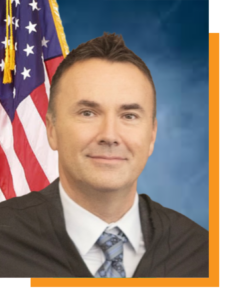 Walmart, describing the conduct as a “perilous shortcut.” The court emphasized a point that should now be obvious to every practitioner: lawyers remain responsible for every authority cited and every argument presented, regardless of how the draft was created. (Walmart AI )
The frustration is not limited to the United States. Australia’s Federal Court recently issued formal guidance after repeated problems involving false citations and unreliable AI-generated filings. Lawyers are now expected to verify authorities, understand the limits of the tools they use, and disclose certain AI use when appropriate. (Australia Federal Court Warning)
Taken together, these developments send a clear message: judges are no longer interested in hearing that “the AI made a mistake.” Courts expect competence. They expect diligence. They expect lawyers to know whether the authorities in a brief actually exist.
That expectation should not surprise Oklahoma lawyers.
Late last year, I wrote in the Oklahoma Bar Journal about an order from Magistrate Judge Jason A. Robertson and the lessons it offered regarding AI, advocacy, and professional courage. The key takeaway from that matter was not simply about new technology. It was about trust. Courts rely on lawyers to present accurate law and truthful representations, and that duty does not change because a chatbot was involved.
If anything, the recent national headlines only reinforce the importance of Judge Robertson’s message.
Oklahoma lawyers will soon have an opportunity to hear directly from him at the OBA Midyear Meeting, where Judge Robertson will be speaking on Ethics of AI: Optional Technology. Mandatory Integrity!! It is a timely topic, and one every lawyer should take seriously.
Artificial intelligence may help produce a draft. It may speed up research. It may improve efficiency. But it cannot exercise judgment, verify a citation, or protect a lawyer’s reputation. That part is still our job.
You can register for our Midyear Conference here: https://www.okbar.org/midyear/